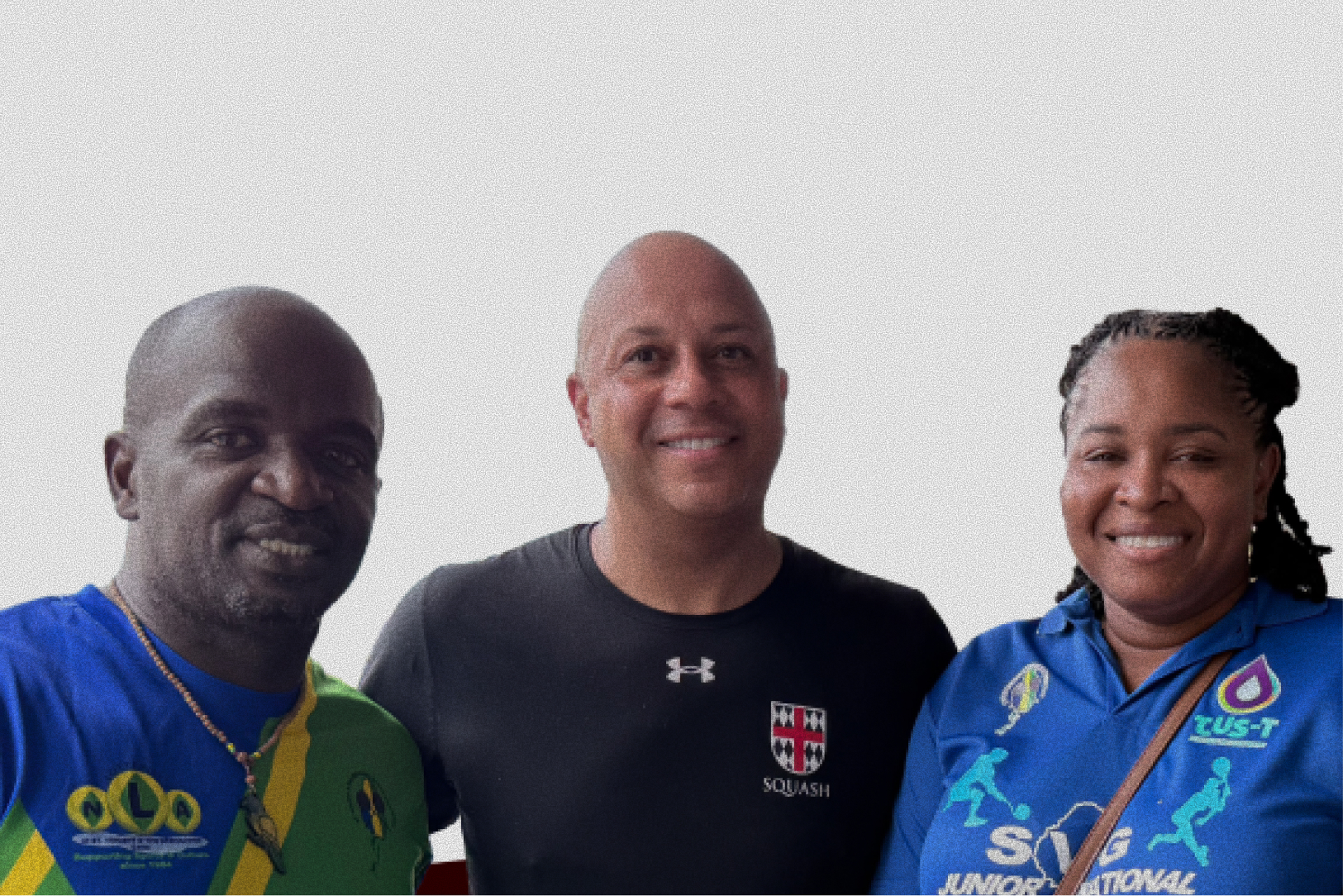
Most people would be surprised to learn how often squash has appeared in popular culture. For decades, it has featured in films, television, and video games, although rarely as the story audiences were meant to follow. Instead, it has helped shape memorable scenes, define characters, and create moments that linger long after the credits roll. Looking back at these appearances reveals something fascinating.
Squash has never been absent from popular culture. We simply haven’t been encouraged to look beyond the scene itself.
One of the strongest recent examples appears in Netflix’s The Queen’s Gambit. Although the series centers on chess, one of its most personal moments unfolds on a squash court, where Beth Harmon and Jolene spend time playing before settling against the front wall to have an honest conversation about friendship, life, and the future. The location feels intentional because squash courts offer a distraction-free environment, allowing the people within them to come into sharper focus. It is a reminder that sport often creates space for conversations that might never happen anywhere else.
Film has returned to that idea for decades. In Wall Street (1987), the match between Gordon Gekko and Bud Fox becomes another contest for influence, reflecting the ambition and power dynamics that define their relationship. Films such as Love Story (1970) and The Game (1997) also use squash to establish the worlds their characters inhabit, relying on the sport to communicate discipline, routine, intelligence, and competition without explaining any of it directly.
Audiences understand what the court represents, even if they have never picked up a racquet themselves.
Television has reinforced that pattern over the years. Viewers of The Office may remember Jim Halpert struggling to keep pace with Robert California during a squash match, while Brooklyn Nine-Nine references Captain Raymond Holt’s enthusiasm for the sport as another reflection of his disciplined personality. Even the award-winning children’s series Bluey includes squash as part of everyday family life, presenting the game as another way people can spend meaningful time together. These appearances may be brief, but they show that squash has continued to find its way into stories that reach audiences across generations.
Beyond film and television, squash has also appeared in video games. Arcade titles featuring the sport date back to the 1980s, and members of the global squash community continue to discuss the potential for modern games featuring today’s professional players and iconic venues. Those conversations reflect something important. Interest in squash has never been limited to the court.
People have long wanted more opportunities to experience the sport in different ways, but those opportunities have remained relatively few compared with other global sports.
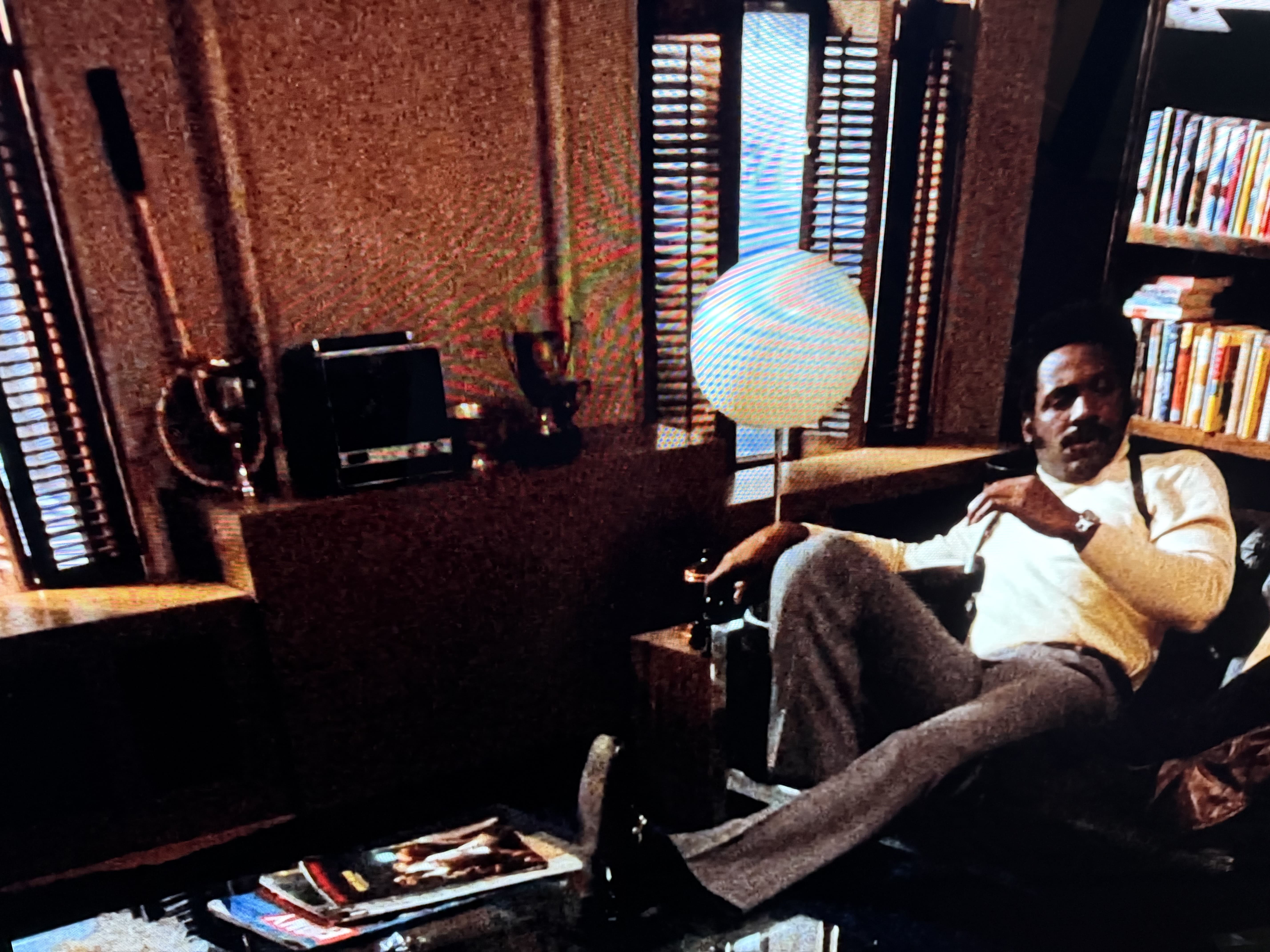
Even look at the image below, that's a frame from Gordon Park's Shaft. Where the main character (Shaft) can be seen with his own Squash racquet on the wall behind him. Was Shaft a squash champion too, alongside all of his awesomeness as a detective? Director Gordon Park's Shaft was pretty much one of the first highly successful films directed by a black filmmaker, and Squash had to make an appearance in that too. Gordon Park's autobiography, "A Choice of Weapons," is the reason why many people of color found artistic agency. Why the careers of many photographers were launched, and also why Weusi was inspired to start too.
Taken together, all these Squash appearances reveal a pattern worth paying attention to. Squash has consistently been chosen to convey ambition, resilience, friendship, discipline, and personal growth, yet audiences are seldom invited to discover the sport beyond its role in someone else’s story. The game has become recognizable without ever becoming familiar, leaving many people unaware of the extraordinary athletes, global rivalries, rich history, and welcoming communities that define squash today.
That is where Weusi comes in. We believe squash deserves to move from the edge of the conversation to its center, not because it needs validation from popular culture, but because its own story is every bit as compelling as the stories it has helped tell. Every appearance on screen is an invitation to look a little closer. Our role is to make sure the next generation does, so more people can play, know, and grow through a sport that has been part of our culture all along.