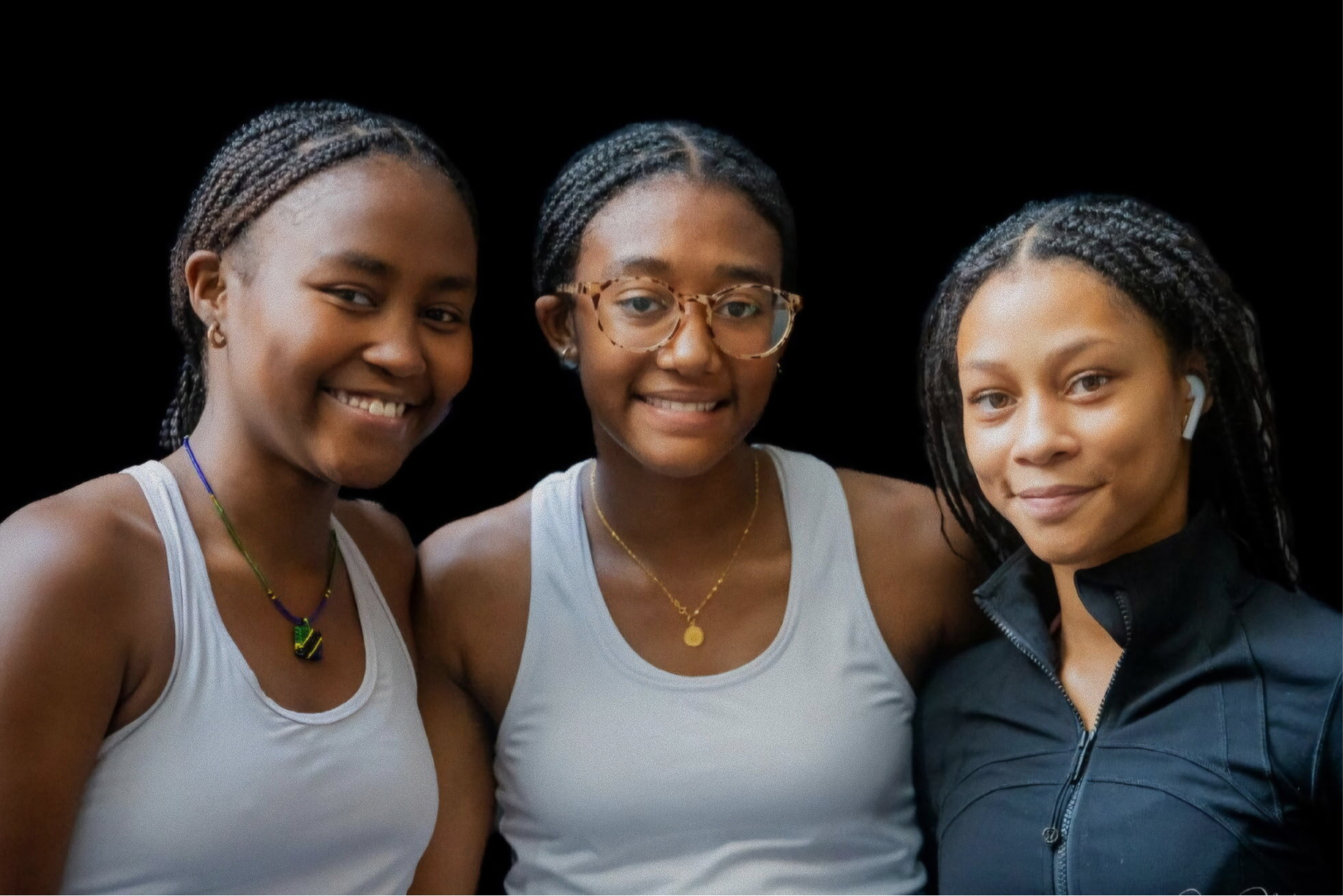
Squash was already part of our story before we were even born. Our dad played for Tanzania, and when he came to America, he brought his love for the game with him. Then he met our mom, had us, and introduced us to squash from there. Looking back now, it feels bigger than just learning a sport. It became part of how we learned perseverance, discipline, and how to carry ourselves through life.
“A huge part of the game is sportsmanship and playing with grace.” - Makeda
“Squash in general gives you that trait of being persistent because I don’t think there’s ever been anyone who’s ever just always won everything.” - Indira
That part feels important to us because so much of the sport is learning how to keep showing up when things are difficult. There are periods where you feel frustrated, where it seems like everyone around you is improving faster, winning more, and figuring things out quicker than you are. We know that feeling well.
“For me at least in my journey, just being able to come back to squash even when it’s super frustrating that you’re not winning all your matches or taking a loss maybe a lot harder when you’re seeing other people around you winning a lot. And you’re like, I don’t really know what I need to be doing.” - Indira
Somewhere through all of that, we learned that resilience is not pretending losses do not hurt. It is deciding not to let those moments change who you are. Even in matches where we are losing, maintaining a positive attitude matters. So does having confidence, but maybe even more than that, having faith in yourself, the kind of faith that reminds you that you can still accomplish something, even when the result in front of you is not the one you wanted.
“A lot of the time when I play matches, even when I’m losing I feel like I maintain a positive attitude.” - Makeda
If there is one thing that connects all of us, it is probably resilience. But for us, resilience is deeply tied to authenticity too. It means remaining grounded in who we are inside a sport that can become intensely competitive, and not allowing comparison, pressure, or other people’s paths to take us away from ourselves.
“I think that’s the one thing that I’ve been able to do in this sport that I really have been trying to maintain,” Makeda says. “Just trying to be authentically myself and not lose who I am because of a sport or because of how competitive it is or because of what other people are doing around me and what I think I’m not doing.”
That grounding started at home.
“Also big hand up for our mom. She definitely had a really big impact, like taking us to the tournaments, the long drives, and then my dad flying us out. But I think she definitely had a really big hand in the process.” - Trinity
is Our parents shaped the way we move through squash, but also the way we move through life and community. We think a lot about how we carry ourselves together and individually, and that feeling followed us onto every team we became part of.
Even though squash is often seen as an individual sport, some of the biggest lessons we’ve learned came from environments where people prioritized showing up for each other. At Tufts, that meant captains making it clear that supporting each other mattered regardless of whether you were winning or losing, because presence can make or break a performance.
That idea stayed with us. We try to carry it into every team, every space, and every environment we are part of. Showing up for your team is not a small thing. It is a commitment. When someone shows up for you, you feel that they are there with you, that they have made a choice to support you, and that kind of culture can make you better as a person. It improves your character as much as your game.
A lot of that understanding also came through Bee Squash, which gave us access to coaches and players we might not have imagined meeting, let alone playing with. Those opportunities mattered because visibility matters, especially as Black players in squash.
“You’re a Black player, and you don’t really see other people.”- Indira
Seeing other people who look like you at the same level, or even higher, changes what feels possible. It gives you motivation because you can say, if they are doing it, then maybe I can do it too. And it helps when there is someone who can tell you how they did it, what their process looked like, and what it took for them to keep improving.
Sometimes possibility begins with recognition.
“The fact that a young Black girl is attending a tournament or anything, I think noting that that’s already a big level of courage and show of perseverance.” - Trinity
There may not be many of us in the sport, but there is still power in knowing we are here. We are present, we are supporting each other, and we want each other to become our best selves.
For a long time, one of the biggest goals was simply reaching the college level.
“For me, when I was in boarding school, I just had a goal of being able to be good enough to be on a college team. - Indira
But over time, we’ve also learned how important it is to appreciate smaller milestones along the way. Improvement does not always arrive as one big win. Sometimes it is in the little things you accomplish while you are still becoming, and even when the big wins have not come yet, those smaller ones deserve to be seen.
“Be proud of yourself. If you see your accomplishments, even if they’re small, be proud of that.” - Trinity
Of course, winning still feels good too. Winning the matches, winning the cup, that is great. But when we think back on the experiences that stay with us most, it is usually the people we met and what we shared with each other that lingers longest.
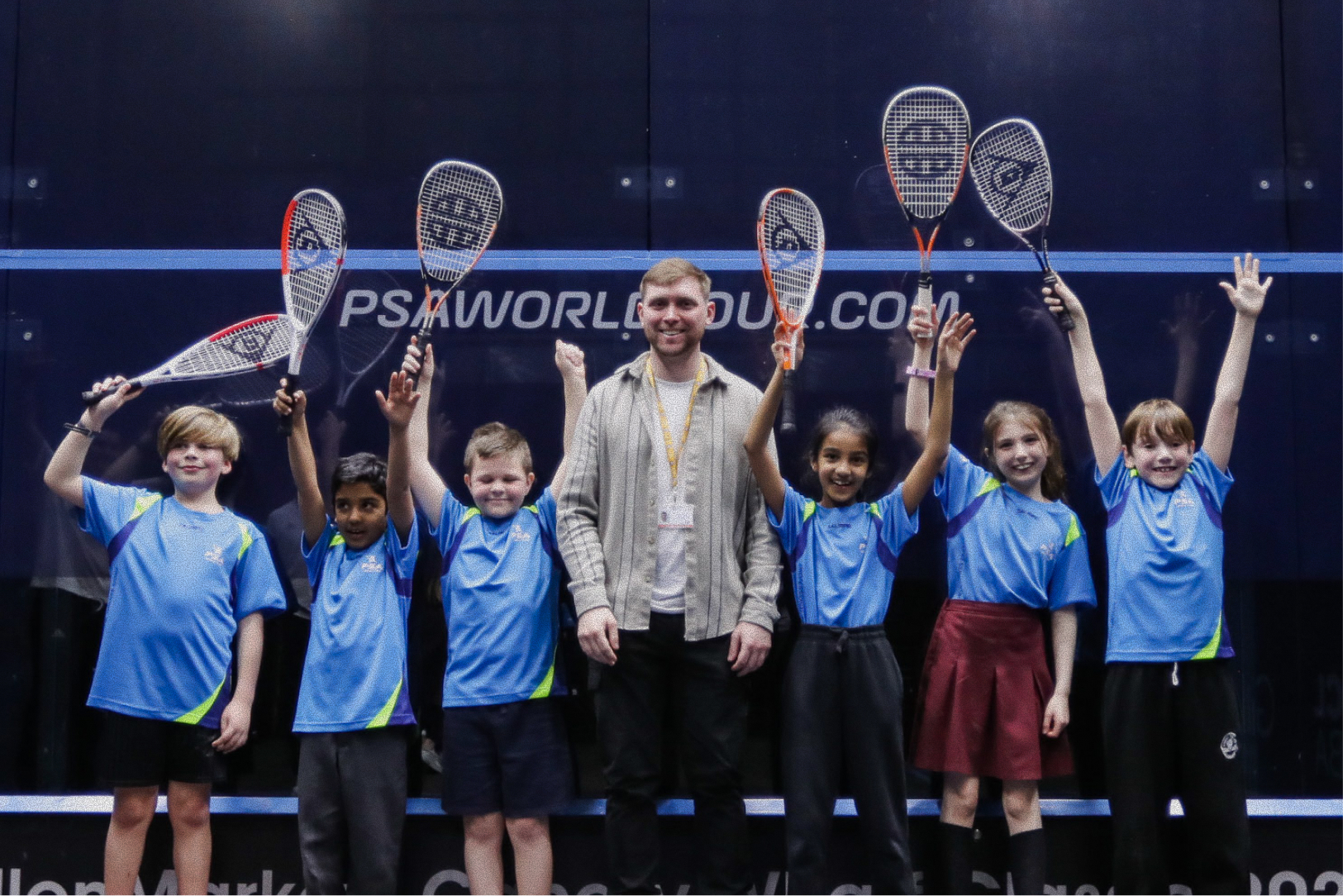
“Before today, I didn’t really know any of the people here at MetroSquash, and I think leaving, I definitely made some really nice relationships, and I learned a lot of great lessons.”
Then comes the part that probably matters most to us now.
“To teach some great lessons to people that are younger than us.” - Trinity
Maybe that’s what squash has ultimately become for us. Not just competition or results, but a way of learning how to persevere without losing yourself, a way of understanding how much community matters, and a way of showing younger Black players that they belong here too.
We’re still growing through the sport. Still learning. Still becoming.
But we know this much already: showing up with grace matters, showing up for each other matters, and continuing anyway matters most of all.