An apology might seem an unusual starting point for a children's book about squash. For Raheem Logan, it became one of the most important moments in Black Boy Fly.
Growing up, Logan was expected to take responsibility for his mistakes, even when the adults around him did not always demonstrate the same accountability. Hearing an adult apologize for the first time left a lasting impression.
Years later, that experience helped shape a scene in which Rashad, the young protagonist of Black Boy Fly, receives an apology from his parents. It gives children an example of adults acknowledging their mistakes and invites parents to consider the behaviors they model at home.
The importance of being heard runs through Logan's story. From his early days at StreetSquash to collegiate competition and a career in coaching, the game has opened doors while raising difficult questions about identity, belonging, and the people who help young athletes find their way.
In conversation with James Dodson, those experiences reveal how a reluctant introduction to squash grew into a lifelong commitment to the sport and the young people discovering it.
Giving squash a month
Raheem Logan was 11 when StreetSquash visited his middle school in Harlem. Sitting in the lunchroom, listening to representatives introduce an unfamiliar sport, squash held little appeal.
His mother offered a simple proposition: give it one month of honest effort before deciding whether to continue.
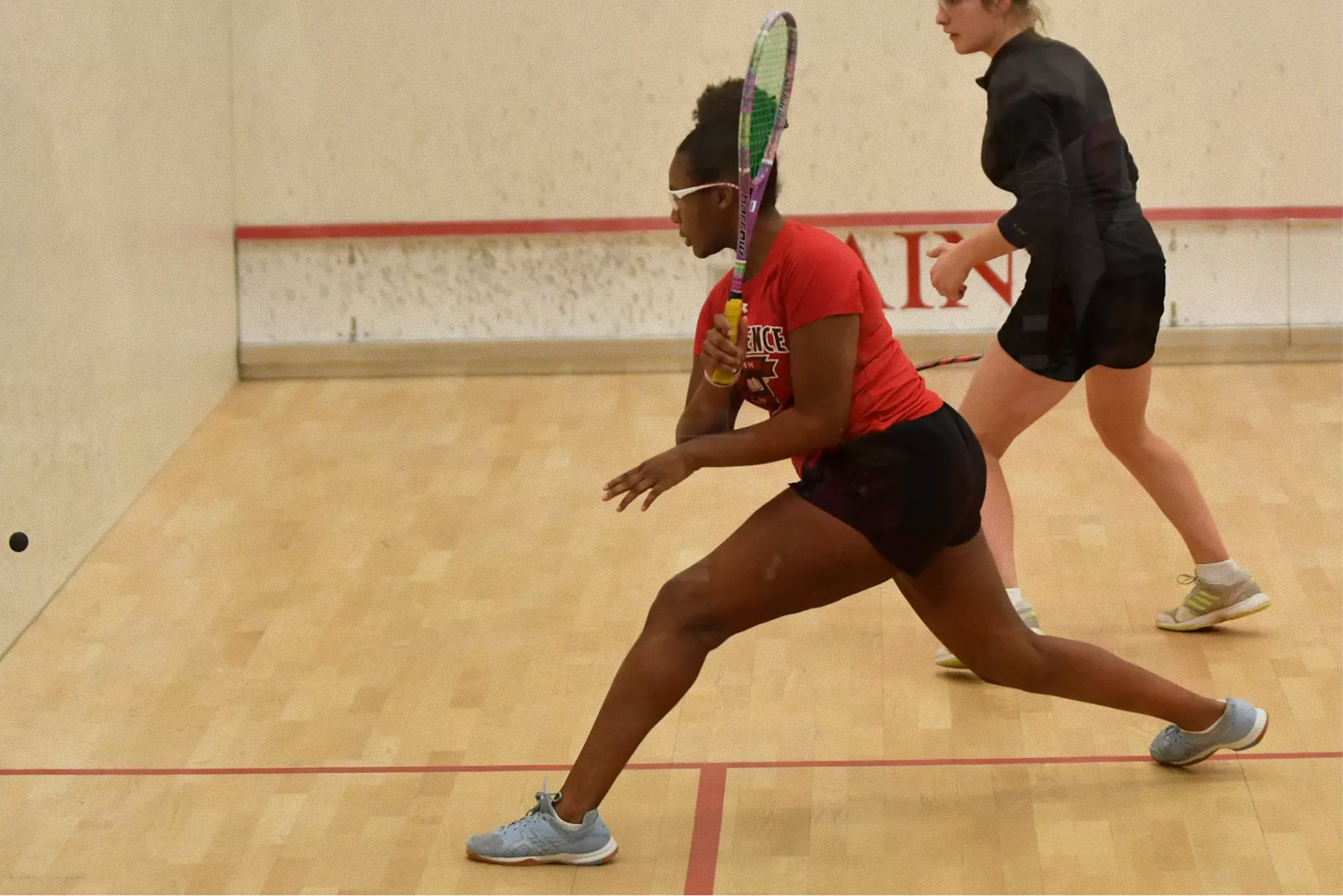
That encouragement brought Logan to his first squash court at the Harvard Club in New York. Learning the game was challenging. Movement, technique, and competition all took time to understand. Yet the friendships forming around the sport made returning worthwhile.
Older students offered opportunities to learn through play, even when rallies ended almost immediately. Coaches provided guidance, while fellow StreetSquash participants created a community in which improvement could happen gradually.
As his game developed, squash began taking Logan beyond Harlem. Tournaments introduced new places and people, followed by opportunities to study at Canterbury School in Connecticut and Wesleyan University.
A sport that initially seemed uninteresting had become an important part of his life. With those opportunities, however, came questions about belonging.
Finding his place between different worlds
Growing up in Harlem while playing squash meant moving between environments with different expectations.
At home, enthusiasm for a relatively unfamiliar sport was not always easy to share. In some squash clubs, the discomfort was more direct. Logan recalls being repeatedly told to keep the noise down, seeing suspicion directed toward Black children when things went missing, and having to verify his reason for being at a club while other visitors received a warmer welcome.
These experiences complicated the opportunities squash was creating. Progress on court did not always bring the same confidence off it.
The tension became particularly difficult at Canterbury. Logan was navigating his identity, the expectations associated with his upbringing, and the demands of a competitive sport within a different social environment. Intensive training and concerns about affording college added further pressure.
Eventually, squash became something to step away from. Logan left the game for a year and joined the basketball team.
The absence revealed how much squash still meant to him, although pride and uncertainty made returning difficult.
During a weekend retreat, a conversation with his Canterbury squash coach created an opening. After avoiding her for much of the year, Logan spoke about the demands of the sport and his concerns about the future.
Her response was a question:
"Do you love squash?"
"I love it with all my heart."
The welcome that followed left a lasting lesson about forgiveness.
In time, Logan found greater confidence in embracing the different parts of his life. Harlem remained central to his identity, alongside the education, relationships, and possibilities squash had introduced.
There was room for all of it.
What competition taught him about himself
At Wesleyan, Logan worked his way through the men's squash lineup, progressing from number nine to number four, then number three, and eventually playing matches at number one.
The journey included difficult losses.
During his freshman year, a 5–4 team defeat against Amherst left Logan in tears. The disappointment became motivation for a habit that continued throughout college: at the end of each season, the scores from lost matches were printed and kept beside his bed.
They served as reminders of the work ahead and opportunities to measure progress. As his ranking improved, some former opponents were no longer playing in the same positions.
Competition also changed his understanding of character. Accepting defeat, responding to feedback, and maintaining integrity became as important as the result itself.
As a team captain, that responsibility extended to the people around him. Every position in the lineup mattered, and the way teammates supported one another could influence their confidence.
Squash also became something to share beyond the university team. Around his junior or senior year, Logan organized a couple of informal events described as "squash and chill," inviting Black participants, including people with no previous experience of the game, onto the court.
For someone who had once struggled to speak openly about his enthusiasm for squash, inviting others to participate reflected how much his relationship with the sport had changed.
Black Boy Fly and the importance of being heard
Storytelling offered another way to explore those experiences.
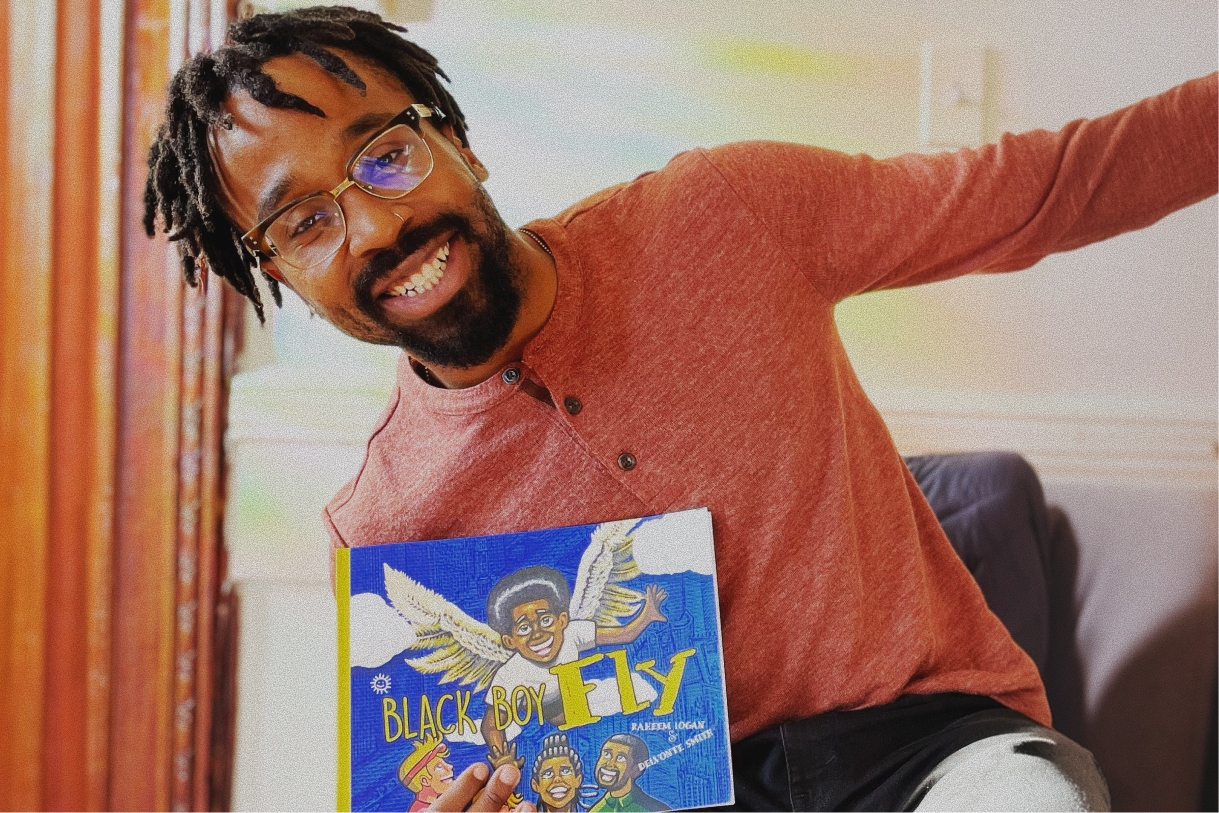
The idea for Black Boy Fly began when an artist friend from StreetSquash encouraged Logan to collaborate on a children's book. What emerged was a story concerned with the experiences, emotions, and individuality of young people.
Rashad's relationship with his parents reflects questions Logan had carried from childhood. Although his mother encouraged him to try squash, both parents had limited familiarity with the details of his growing interest.
There were moments when Logan wanted to explain a new technique, discuss his progress, or share what the sport was teaching him. His parents were working and supporting the family in important ways, but those conversations did not always happen.
That experience helped shape the book's attention to the importance of listening.
Children often develop interests that the adults around them may not fully understand. Encouragement gets them started. Curiosity about what they discover can deepen the connection.
For Logan, the message of Black Boy Fly extends beyond the squash court. Young readers, particularly Black boys, should feel comfortable embracing their individual experiences and talking openly about their emotions. Vulnerability deserves space in those conversations.
The response to the book also challenged Logan's initial expectations. Squash is a relatively niche sport, and its audience seemed a possible limitation. Yet readers without any connection to the game found meaning in the story.
The experiences of pursuing an unfamiliar passion, wanting to be understood, and finding the confidence to express difficult feelings reached beyond squash.
A different understanding of success
Competitive squash remains part of Logan's life, although coaching and leadership now occupy much of his attention.
At Access Youth Academy, the focus extends from developing players to helping young people navigate the opportunities and challenges that come with sport.
Earlier in his coaching career, reaching varsity level felt like an important measure of success. A student's competitive progress could become a reflection of Logan's own effectiveness.
Experience brought a different perspective.
The approach is now described as "passionate detachment." There is a commitment to helping players develop and achieve their ambitions, alongside an understanding that each person must follow their own path.
The measure of progress has expanded to include the people students are becoming.
One coaching practice captures that shift. Before training, players repeat a simple affirmation three times:
"I'm capable of great things."
The practice followed Logan across different coaching environments. Its significance became clear when a former student wrote her college essay about the positive mantras repeated before practice.
Words shared on a squash court had found a place in how that student told her own story.
Logan's coaching philosophy also makes room for what he calls "compassionate firmness." Joy and encouragement belong alongside discipline and the work required to pursue a goal.
The ambition is to help young people grow into capable players while developing the confidence to approach challenges beyond the game.
Creating a welcome that lasts
A player's experience of squash can begin well before the first rally.
Logan's memories of entering unfamiliar clubs have shaped his attention to the welcome newcomers receive. Being greeted warmly, feeling comfortable expressing oneself, and having an opportunity to learn can influence whether that first encounter becomes a lasting interest.
Representation matters within those experiences. In discussing the importance of diverse ambassadors, Logan recalls working with Rocky to introduce people to a squash club.
The invitation is only the beginning. A welcoming environment also gives newcomers reasons to return, opportunities to improve, and relationships that make participation meaningful.
Logan's journey shows how those experiences can build on one another. StreetSquash provided the introduction. Friendships sustained his interest. Mentors and coaches offered support through moments of uncertainty.
Those relationships helped shape a player who now works to create similar opportunities for others.
The opportunity beyond LA28
The Los Angeles 2028 Olympic Games offer squash an opportunity to reach people who have never encountered the sport.
For Logan, the value of that exposure is easy to recognize. At Access, watching third graders step onto a squash court for the first time reveals the enjoyment a new sport can bring, long before the skills required to play competitively have developed.
That first experience carries possibility.
Logan's ambition is for the attention surrounding LA28 to encourage wider participation and leave opportunities that continue beyond the Games. His contribution centers on coaching, serving as a positive ambassador, and helping more diverse communities find an entry point into squash.
The work also reaches beyond organized training.
A young person discovering squash may return home to friends or a community unfamiliar with the game. Logan understands the difficulty of finding enthusiasm for something that people around you cannot easily relate to.
Conversations about identity and belonging become important in those moments. Young people need space to explore their interests without feeling pressured to hide the parts of themselves that make them who they are.
That conviction connects Logan's work as a coach with the message of Black Boy Fly.
Both reflect the importance of encouraging children to recognize the value of their experiences, communicate openly, and develop confidence in their own possibilities.
For Weusi, Logan's journey reveals what access to sport can make possible when it is supported by meaningful relationships.
One month was enough to introduce an 11-year-old boy from Harlem to a game that would shape his education, his relationships, and eventually his work with young people.
Today, that experience continues through the opportunities Logan helps create for others.
The idea of flying carries a different meaning for every child. What matters is the belief that greater possibilities exist, and the encouragement to pursue them.
For the next young person picking up a racket, the journey may only just be beginning.
A new chapter for Black Boy Fly
The story continues. Weusi is planning to republish Raheem Logan's Black Boy Fly, tentatively in fall 2027.
The initiative also includes plans to sponsor approximately 2,000 copies, helping bring the book and its message to more young readers.
A final publication date has yet to be confirmed.